The Enigmatic Japanese Bridge: A Sword Piercing Namazu
In the heart of Hoi An’s ancient town, a graceful structure spans the Thu Bon River, its weathered timbers whispering tales of mythical beasts and ancient wisdom. This is Chùa Cầu, the Japanese Covered Bridge, more than just a crossing; it’s a sword thrust into the heart of a legend, a testament to the ingenuity and spiritual beliefs of a bygone era.
The Legend of Namazu: A Global Connection
The story begins not just in Vietnam, but echoes across the seas to Japan and even hints at influences from ancient India. Legend speaks of Namazu, a colossal catfish monster dwelling beneath the earth’s surface. This creature, with its earth-shattering movements, was believed to be the cause of earthquakes. To appease or control Namazu was a constant preoccupation, and various methods were employed, from prayers to elaborate architectural designs.
The Japanese community in Hoi An, far from their homeland, believed that the land they inhabited was also threatened by Namazu. They envisioned the monster’s spine stretching across the land, its head in India, its tail in Japan, and its vulnerable midsection lying beneath Hoi An. The bridge, therefore, was conceived not merely as a means of crossing the river, but as a strategic intervention to subdue the beast.
Architectural Prowess as a Spiritual Weapon
Chùa Cầu’s design isn’t accidental; every element is imbued with purpose. The bridge’s structure itself acts as a symbolic sword, piercing Namazu’s vital point. Its location was carefully chosen, strategically positioned to pin down the monster and prevent its destructive tremors.
- Strategic Location: The bridge’s placement was paramount, chosen to intersect the mythical path of Namazu.
- Covered Structure: The roofed design provides shelter and adds to the bridge’s imposing presence, visually solidifying its role as a restraining force.
- Wooden Construction: The choice of materials, primarily wood, reflects a connection to nature and a respect for the elements.
Guardians of the Bridge: The Monkey and the Dog
At each end of Chùa Cầu stand statues of monkeys and dogs, not merely decorative, but integral to the bridge’s protective function. These animals are believed to ward off evil spirits and maintain the balance of the universe, further ensuring Namazu’s containment.
- The Monkeys: Symbolizing intelligence and agility, the monkeys are thought to outsmart any attempts by Namazu to escape.
- The Dogs: Representing loyalty and protection, the dogs stand guard, preventing malevolent forces from disrupting the bridge’s power.
Thần Trấn Võ: A Taoist Deity, Not Buddha
Perhaps the most intriguing aspect of Chùa Cầu is the deity enshrined within its structure: Thần Trấn Võ, a Taoist god associated with protection and strength. This choice, rather than a Buddhist figure, underscores the bridge’s primary purpose: to suppress Namazu and safeguard the community.
Thần Trấn Võ, a powerful warrior deity, embodies the strength needed to control the chaotic forces of nature. His presence within the bridge reinforces its role as a bulwark against destruction, a tangible representation of the community’s efforts to maintain peace and stability.
Chùa Cầu: More Than Just a Bridge
Chùa Cầu is more than just a beautiful landmark; it’s a living testament to the power of belief and the ingenuity of human innovation. It’s a bridge between cultures, a symbol of resilience, and a reminder of the enduring power of legends. Visiting Chùa Cầu is an invitation to step back in time, to unravel the mysteries of a bygone era, and to appreciate the profound connection between humanity and the natural world.
Exploring Hội An’s Ancient Town
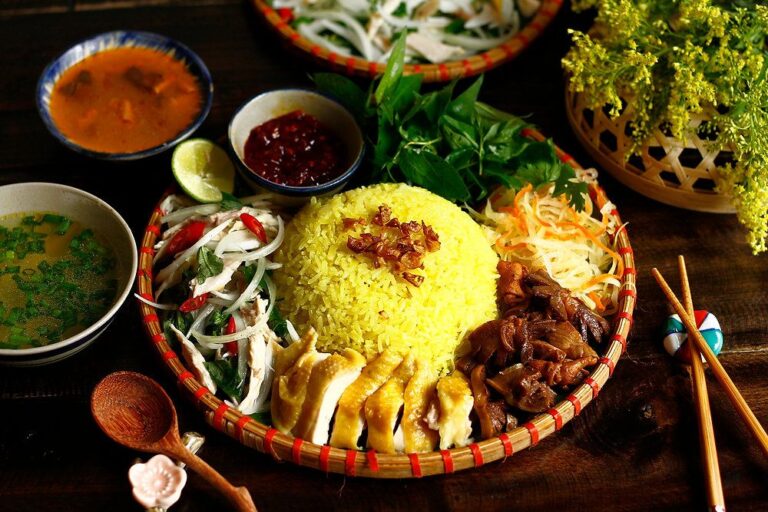
While visiting Chùa Cầu, take the time to explore the enchanting streets of Hội An Ancient Town. Discover tailor shops, art galleries, and delicious local cuisine. Experience the vibrant culture and warm hospitality that make Hội An a truly unforgettable destination.